When Statistically People Cheat Most | Infidelity Data
Discover when people are statistically most likely to cheat—by age, relationship stage, season, and life events. Data-backed insights.
When Statistically People Cheat: What the Data Reveals

Cheating isn't random. While every relationship is unique, large-scale studies, surveys, and behavioral data show clear statistical patterns around when people are most likely to cheat. Understanding these patterns helps explain why infidelity often appears during specific life stages, moments of stress, or emotional shifts.
Below is a data-driven breakdown of when cheating most commonly happens — and why.
1. Age: The Highest-Risk Periods for Cheating
Statistics consistently show two major age peaks for infidelity.
🔹 Late 20s to Mid-30s
This is the first major cheating spike.
Why this age is risky:
- ● Long-term relationships become routine
- ● Career pressure increases
- ● FOMO ("Is this really it?")
- ● Exposure to dating apps and social media
- ● First major relationship doubts
Many people enter serious relationships in their early 20s. By their late 20s or early 30s, monotony and unmet expectations can quietly build.
🔹 Mid-40s to Early 50s
Often called the midlife infidelity peak.
Common triggers:
- ● Aging anxiety
- ● Desire for validation
- ● Feeling "invisible" or unappreciated
- ● Empty nest syndrome
- ● Comparing life outcomes to peers
At this stage, cheating is less about sex and more about identity and emotional validation.
2. Relationship Length: The Danger Zones
Cheating probability changes over time.
🔹 Years 3–7: The "Reality Phase"
This is statistically one of the most common windows for infidelity.
Why:
- ● Honeymoon phase fades
- ● Conflicts become repetitive
- ● Less novelty and excitement
- ● Emotional distance grows
Many affairs begin not during major fights — but during quiet emotional drift.
🔹 Long-Term Relationships (10+ years)
Cheating doesn't disappear — it changes form.
- ● More emotional affairs
- ● More workplace connections
- ● Less impulsive, more calculated behavior
Long-term cheating often develops slowly and feels "justified" in the cheater's mind.
3. Time of Year: When Cheating Peaks
Yes — cheating has seasonality.
🔥 Highest Cheating Periods:
- ● Summer months
- ● Holiday season (Nov–Dec)
Why summer increases cheating:
- ● More social events
- ● Travel and festivals
- ● Alcohol consumption
- ● "Carefree" mindset
Why holidays are risky:
- ● Emotional stress
- ● Family pressure
- ● Loneliness
- ● Reconnecting with old flames
Interestingly, January often sees a spike in cheating discoveries rather than cheating itself.
4. Life Transitions: Infidelity Triggers
Cheating rates rise sharply during major life changes.
High-risk moments include:
- ● Moving to a new city
- ● Starting a new job
- ● Promotion or job loss
- ● After childbirth
- ● During long-distance phases
Transitions create emotional instability, and people seek comfort, novelty, or reassurance elsewhere.
5. Emotional State: The Silent Predictor
Statistics show cheating correlates more with emotional dissatisfaction than sexual dissatisfaction.
People cheat most when they feel:
- ● Unappreciated
- ● Taken for granted
- ● Emotionally disconnected
- ● Insecure or rejected
This explains why many affairs start as "just talking."
6. Technology & Social Media Influence
Modern data shows cheating likelihood increases with:
- ● Dating app availability
- ● Social media DMs
- ● "Private" messaging platforms
People cheat more when opportunities are easy, discreet, and normalized.
Even those not actively looking often fall into emotional affairs through:
- ● Likes
- ● Replies
- ● "Just checking in" messages
7. Gender Differences (Statistically)
While both genders cheat, patterns differ.
Men statistically cheat more when:
- ● Sexual needs feel unmet
- ● Opportunity is present
- ● Ego validation is offered
Women statistically cheat more when:
- ● Emotional needs are unmet
- ● They feel unheard or invisible
- ● There is a strong emotional connection
However, the gap between genders has significantly narrowed in recent years.
8. Stress & Mental Health Factors
Higher cheating rates are associated with:
- ● Chronic stress
- ● Depression
- ● Burnout
- ● Low self-esteem
Cheating often acts as a temporary emotional escape, not a calculated betrayal.
9. Alcohol & Social Environments
Statistical correlation is strong between cheating and:
- ● Heavy drinking
- ● Nightlife environments
- ● Work trips
- ● Conferences
Lowered inhibition + anonymity = higher risk.
10. Why Cheating Often Goes Unnoticed at First
Most affairs don't start dramatically.
They start with:
- ● More phone privacy
- ● Emotional withdrawal
- ● Subtle routine changes
- ● Defensive reactions
By the time cheating is suspected, it often started weeks or months earlier.
Final Thoughts: Patterns Don't Mean Destiny
Statistics don't mean inevitability — but they do reveal risk windows.
Cheating most often happens when:
- ● Emotional needs aren't addressed
- ● Life changes disrupt stability
- ● Opportunity meets vulnerability
Understanding when people cheat helps partners recognize early warning signs — before betrayal happens.
Clarity doesn't come from assumptions.
It comes from awareness.
You may also like
Looking for Someone?
Our search tool can help you find dating profiles and verify online activity with just a name.
Related Articles
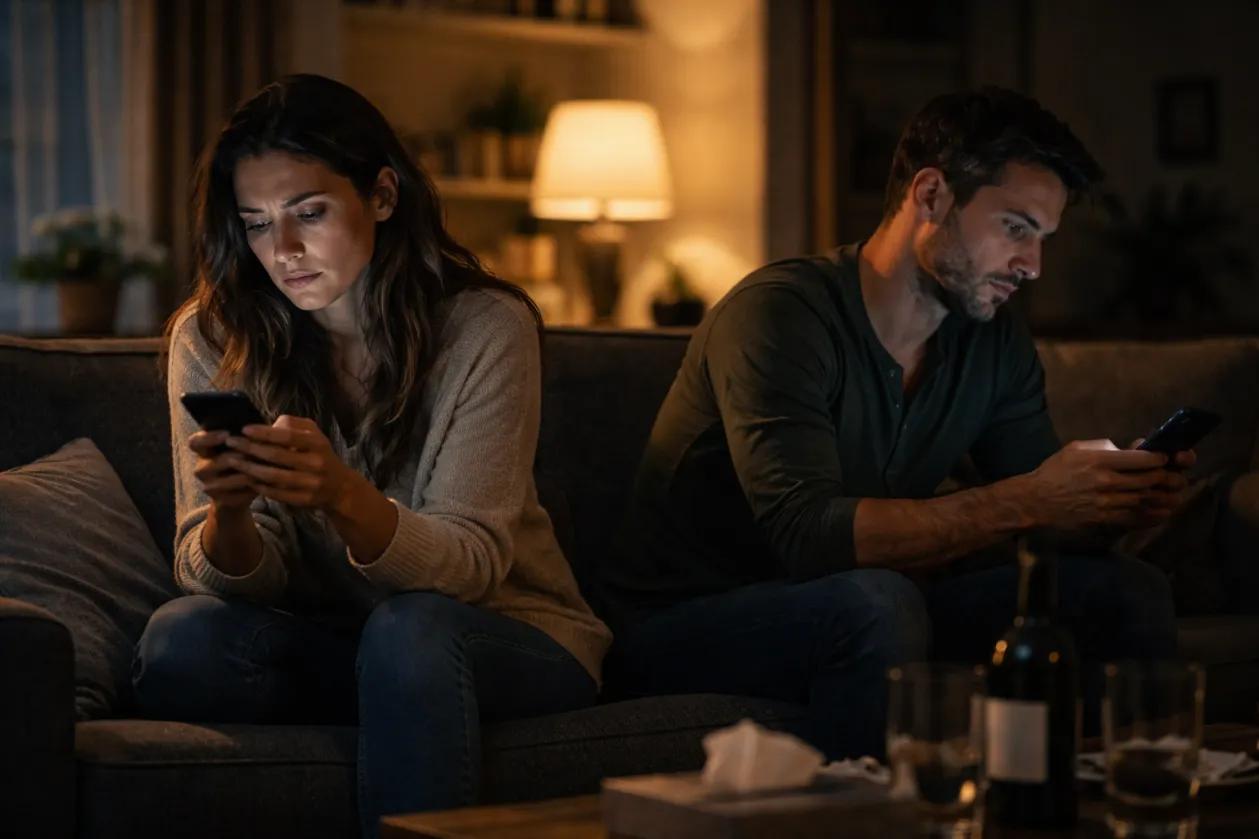
How Many People Cheat in Relationships? Real Statistics
What percentage of people actually cheat in relationships? A clear breakdown of real statistics by gender, age, marriage vs dating, and why numbers vary.

Cheatbuster vs DoTheySwipe — Honest Comparison
Comparing Cheatbuster and DoTheySwipe? See differences in accuracy, methodology, pricing, and privacy before choosing a Tinder search tool.
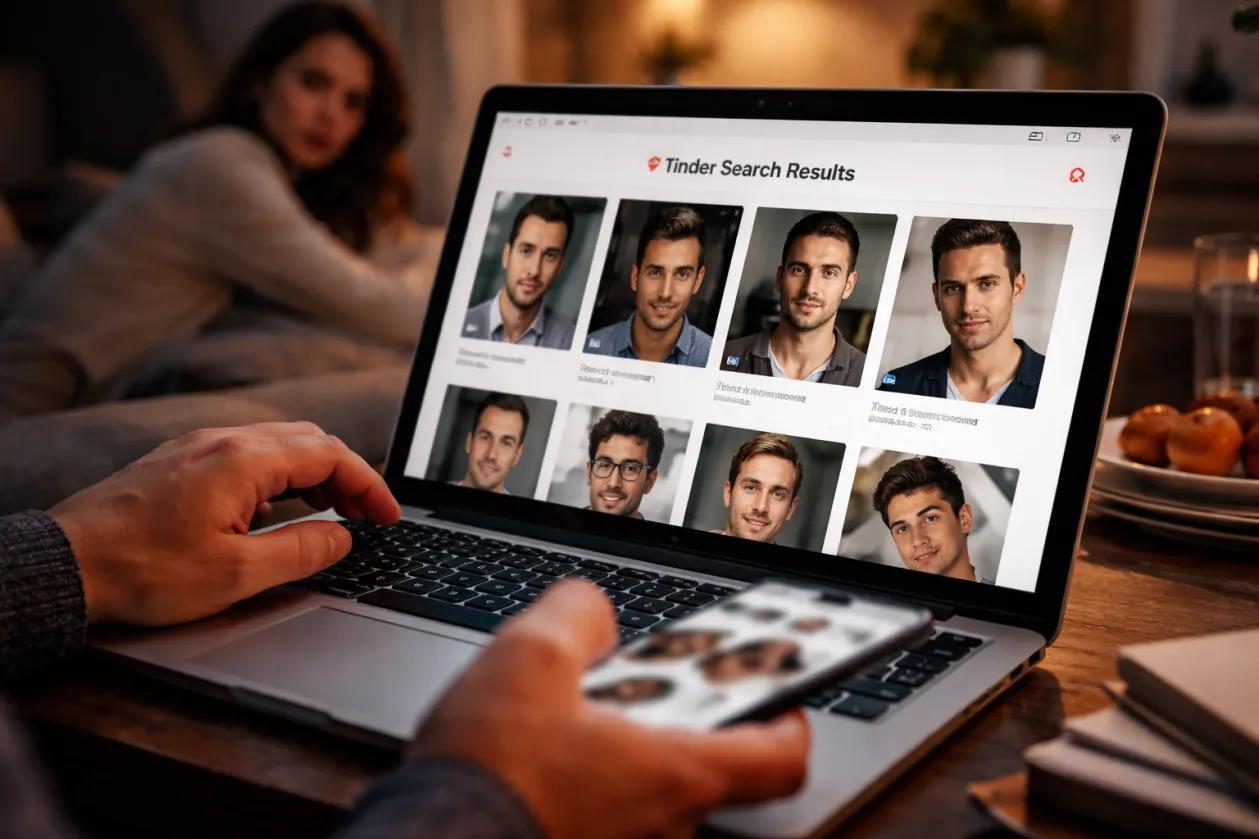
Why Most Tinder Search Engines Don't Work (Honest Truth)
Most Tinder search engines fail due to fake profiles, outdated scraping, and misleading claims. Here’s why tools like Cheateye and Cheatbusters don't work—and why DoTheySwipe does.