Why People Choose Infidelity Over Honesty
Explore the real reasons people cheat — from emotional disconnection to validation-seeking — and how dating apps make it easier than ever.
Why People Choose Infidelity Over Honesty

Infidelity isn’t just about physical betrayal — it’s about the moment someone chooses secrecy over honesty.
It’s easy to label cheaters as “bad people,” but in reality, the reasons behind infidelity are layered, emotional, and deeply human.
Today, with dating apps like Tinder and countless social platforms offering instant gratification, crossing the line has never been easier — or more tempting.
So why do people cheat? What drives someone to risk love, trust, and stability for a few moments of excitement or validation?
Let’s explore the real reasons behind infidelity — and what it says about relationships in the modern world.
1. Emotional Disconnection
One of the most common reasons people cheat isn’t physical at all — it’s emotional.
When communication fades and partners begin to feel unseen, unnoticed, or unappreciated, emotional gaps form. These gaps can become breeding grounds for temptation.
A simple compliment from a coworker or a friendly message online can feel like a lifeline to someone starved for emotional attention.
For many, cheating starts not with lust — but with loneliness. When one partner feels emotionally invisible, validation from someone else becomes addictive.
The affair becomes less about sex, and more about feeling wanted, understood, or admired again.
2. Desire for Validation
In a world of likes, matches, and swipes, validation has become a form of currency.
For some, cheating is less about dissatisfaction with their partner — and more about insecurity within themselves. They want to feel desirable. To prove they “still got it.”
A new admirer, even for a short time, can fill a void that their current relationship doesn’t address.
Modern dating apps amplify this desire. A single swipe can lead to a rush of dopamine — a temporary boost of confidence that feels intoxicating.
That’s why many users caught on Tinder or other platforms say they weren’t even looking to cheat — they were “just curious” or “wanted to see who’d match.” But curiosity easily turns into conversations, and conversations can turn into connection.
3. Escaping Reality
Sometimes, cheating isn’t about seeking someone new — it’s about escaping one’s own reality.
Life responsibilities, stress, routine, and disappointment can make people crave a parallel world where they feel free again.
The affair becomes a fantasy — a place where they can escape the weight of their own life.
But the illusion rarely lasts. When reality catches up, guilt and confusion take over, leaving both partners hurt and disoriented.
Still, many repeat the same pattern. Because it’s not just about who they cheat with — it’s about who they get to become when they do.
4. Boredom and Routine
Passion fades in long-term relationships. Not because love disappears — but because routine takes over.
The early spark, the excitement, the unpredictability — all replaced by bills, responsibilities, and repetition.
For some, cheating becomes a misguided attempt to reignite that thrill. It’s not about replacing their partner — it’s about trying to feel alive again.
That’s why affairs often happen even in seemingly “happy” marriages. When novelty fades, people seek it elsewhere — often without realizing they’re chasing a feeling, not a person.
5. Opportunity and Accessibility
Before smartphones, cheating required effort. Today, it only takes a few taps.
Apps like Tinder, Bumble, and even Instagram have blurred the lines between flirting and infidelity.
It’s easier than ever to connect privately, delete messages, or maintain secret online identities.
And some do it simply because they can. The accessibility creates a false sense of safety — a belief that digital interactions aren’t “real cheating.”
But emotional attachment and online intimacy can wound just as deeply as physical betrayal.
In fact, many users check their partners on DoTheySwipe, discovering active Tinder profiles that confirm what they suspected all along — that temptation was just too easy to access.
6. Revenge and Resentment
Not all infidelity starts from emptiness — some come from anger.
When someone feels betrayed, neglected, or hurt, cheating can become an act of revenge.
“I just wanted them to feel how I felt.” That’s a line heard too often in therapy rooms.
But revenge cheating rarely brings closure. It adds guilt on top of pain, and the relationship — even if it survives — becomes poisoned by mutual resentment.
The temporary satisfaction of “getting even” fades quickly, leaving only more damage.
7. Lack of Boundaries
Infidelity doesn’t always start with a decision. Sometimes it happens through a series of small, unchecked steps.
A little flirting. A few personal messages. Private jokes. Late-night chats.
Each step seems harmless — until it isn’t.
People who lack clear emotional boundaries are more vulnerable to crossing the line without realizing it.
They convince themselves it’s “just talking” — until they’re emotionally invested in someone outside the relationship.
That’s why communication and clear boundaries are vital. If your partner doesn’t know what you consider inappropriate, misunderstandings — or betrayals — can easily follow.
8. Fear of Confrontation
Ironically, some people cheat not because they want to leave their relationship, but because they’re too afraid to confront it.
Ending a relationship requires honesty, courage, and emotional maturity.
Cheating feels like a shortcut — a way to escape dissatisfaction without facing hard conversations.
It’s easier to blame the excitement of someone new than to admit that something’s broken at home.
But this avoidance only deepens the problem. Instead of clarity, it creates chaos — for both the cheater and the betrayed.
9. Addiction and Impulse
For a small group of people, cheating becomes compulsive — a pattern rooted in addiction.
The thrill, the secrecy, the chase — all release powerful chemicals in the brain.
Just like gambling or drugs, it becomes an escape mechanism.
They’re not necessarily unhappy — they’re addicted to the rush.
Without addressing the underlying emotional or psychological triggers, these individuals often repeat the same destructive cycle, no matter who they’re with.
10. Cultural and Social Factors
In some environments, infidelity is normalized — even expected.
Friends joke about “side relationships,” social media glorifies hookups, and secrecy becomes part of social culture.
When everyone around you seems to be doing it, boundaries weaken.
Cheating becomes not a moral failure, but a “mistake everyone makes.”
Yet behind every affair, there’s a person who trusted — and another who decided not to be honest.
11. The Modern Dilemma: Too Many Options
Dating apps have given people what looks like endless choice — but it comes with a hidden cost.
When there’s always “someone better” a swipe away, commitment starts to feel less valuable.
People get caught in a cycle of constant comparison — seeking perfection that doesn’t exist.
That’s why even people in relationships often browse apps like Tinder “just to look.”
It’s not always about cheating — but it is about the inability to be content.
That curiosity can easily lead to betrayal.
12. The Aftermath of Infidelity
Cheating doesn’t just break hearts — it shatters identities.
The betrayed partner starts questioning everything: their worth, their intuition, and their entire history together.
Some people try to rebuild, while others walk away completely.
Either way, the emotional scar remains.
And that’s why platforms like DoTheySwipe exist — to give clarity when something feels off. Because sometimes, not knowing hurts more than the truth itself.
Final Thoughts
People choose infidelity for many reasons — emotional hunger, ego, opportunity, fear, or plain selfishness.
But beneath every affair lies the same theme: avoidance.
Avoidance of communication. Of vulnerability. Of responsibility.
Cheating might offer a moment of escape, but honesty — even when it’s uncomfortable — is the only way to build something real.
If you suspect something feels wrong, trust your gut.
Sometimes, clarity is painful — but it’s always better than living in doubt.
Check if your partner is active on Tinder — get peace of mind with DoTheySwipe search.
Looking for Someone?
Our search tool can help you find dating profiles and verify online activity with just a name.
Related Articles
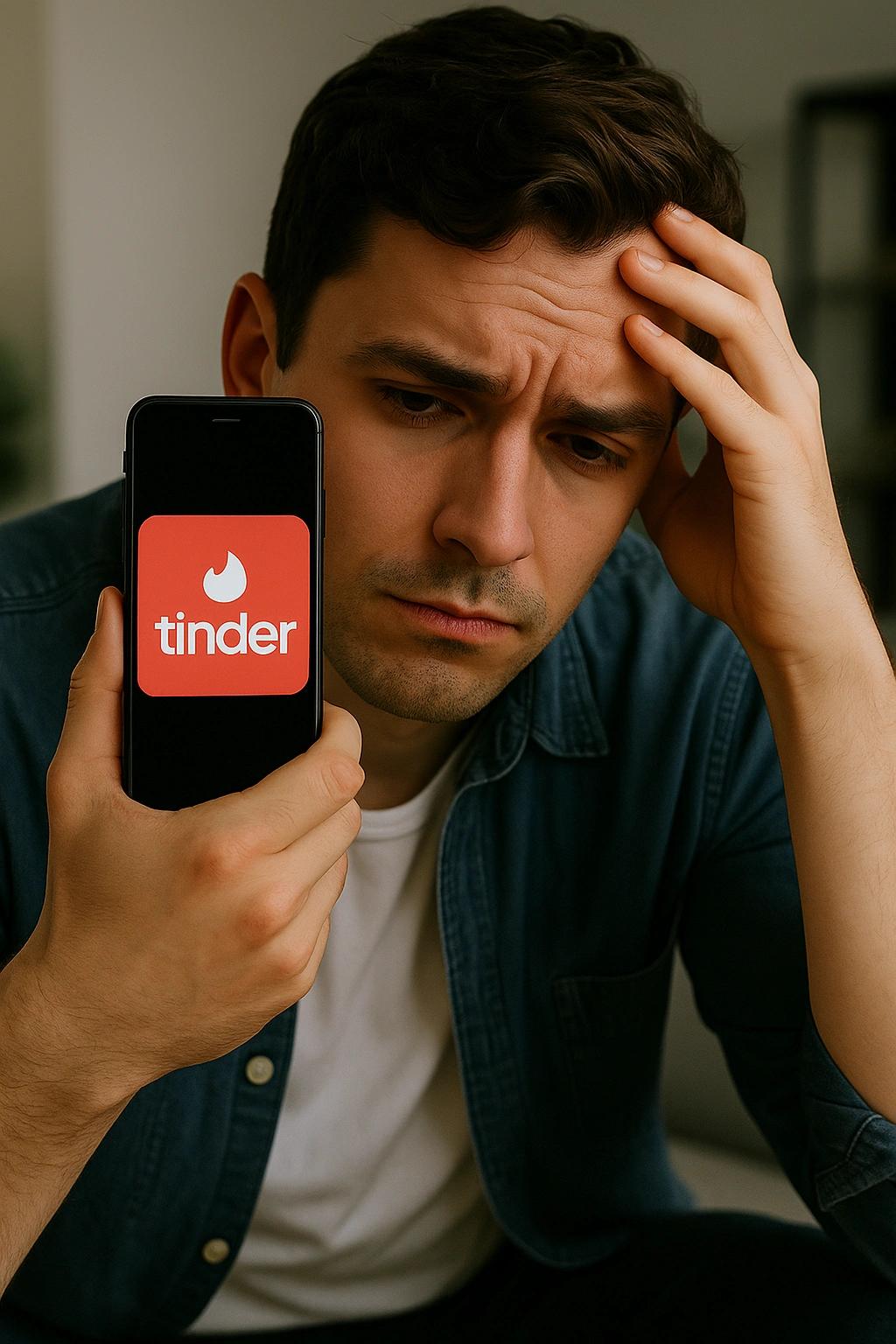
Why Cheaters Tend to Use Dating Apps
Discover why cheaters turn to apps like Tinder and Bumble — the secrecy, convenience, and how DoTheySwipe helps uncover the truth.
Why Tinder Finders Are in High Demand
More people than ever search for Tinder Finders. Here's why the demand exploded and why DoTheySwipe became the trusted choice for online dating clarity.
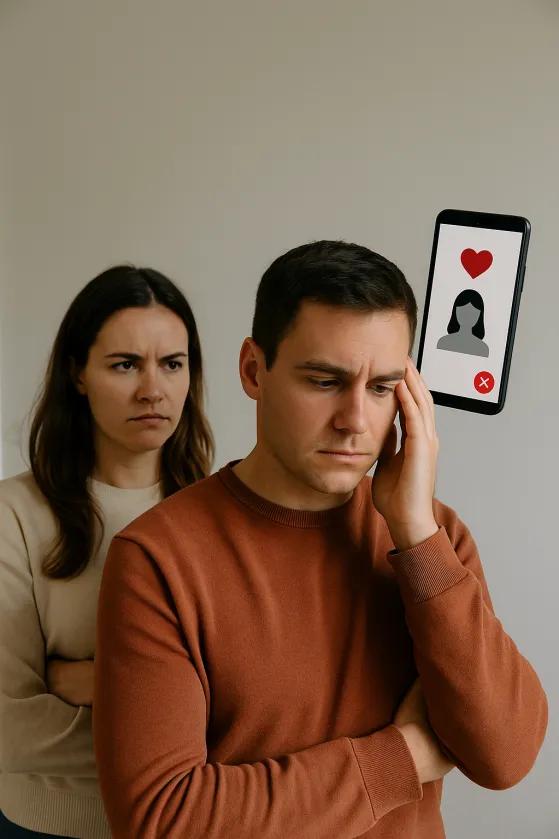
Inside the Mind: Cheater Psychology
Understanding why people cheat isn’t simple. Here’s a deep dive into the psychology, motives, and hidden behaviors behind infidelity—and how to spot it early.